

At Dumo Seguridad we install alarms for industrial warehouses in Barcelona adapted to each space. They integrate alarms to detect the intrusion, video surveillance cameras, access control, Fire Protection Systems and connection to 24/7 Alarm Reception Centre.
We have been installing and maintaining security systems for industrial warehouses in industrial estates in Barcelona and the metropolitan area for more than 19 years, with our own technicians and official approval from the DGP no. 3805.
Thefts in industrial warehouses mostly take place on weekends, night shifts and public holidays, when the warehouse is empty and secondary accesses or loading bays become the most vulnerable points. This is compounded by sabotage, unauthorised access by external personnel and incidents that are not intrusions but can paralyse activity just as quickly, such as a fire or flood.
A well-designed industrial alarm doesn't just deter. It detects before the problem spreads, documents what has happened and triggers a coordinated response without anyone having to be present in the hall.
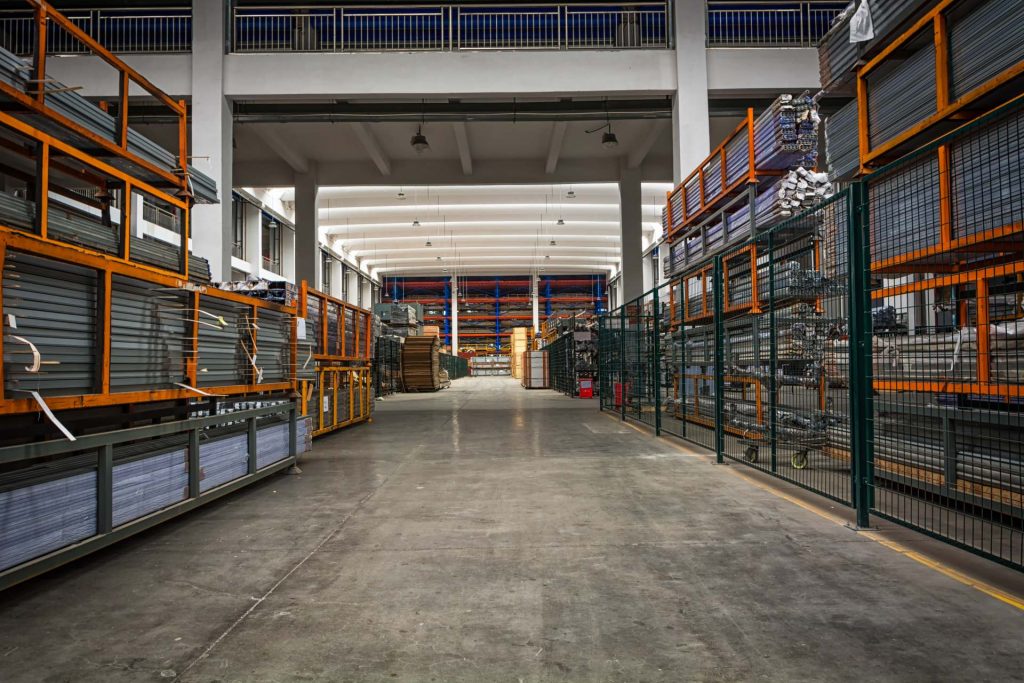
Theft in a warehouse is not just measured by what is taken. It is measured by the days you can't operate, the orders you can't deliver and the time it takes to replace what you have lost. A production line downtime has a cost that goes far beyond the value of the material stolen.
Our alarms for industrial buildings allow you to detect any intrusion as soon as it occurs and minimise the time of exposure to risk. The earlier it is detected, the less damage is done and the quicker the return to normality.
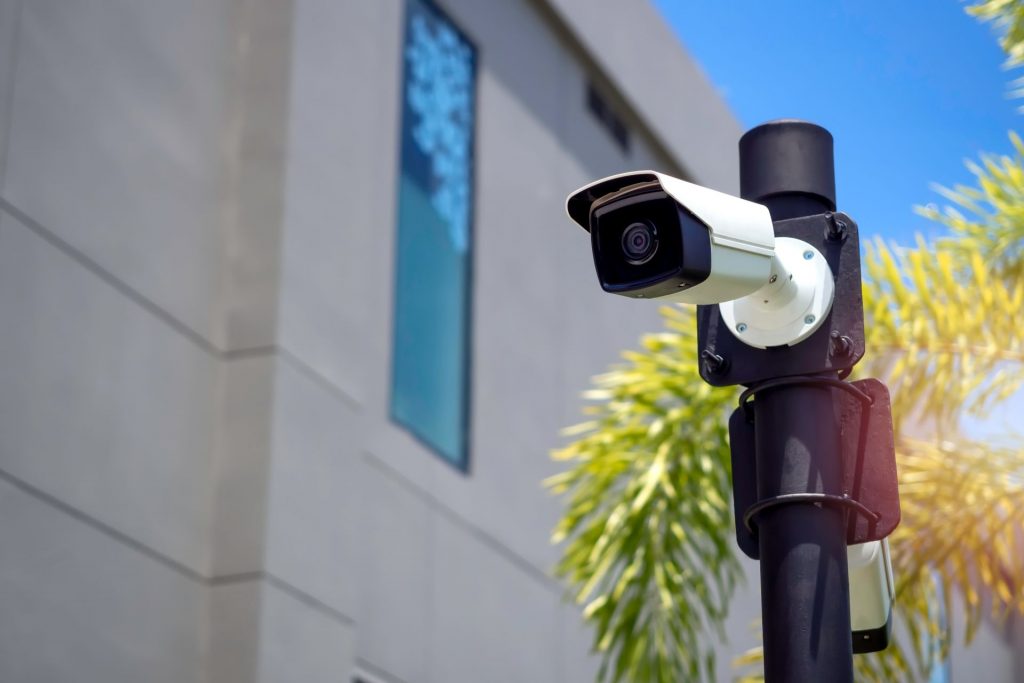
A visible industrial building alarm system already acts as a method of prevention before any incident occurs. Exterior signage, security cameras and system indicators already create that first visible barrier of protection against potential thieves.
Most burglary attempts on industrial sites are ruled out in the pre-surveillance phase. A building that shows clear signs of active industrial security is, in practice, a less attractive target.

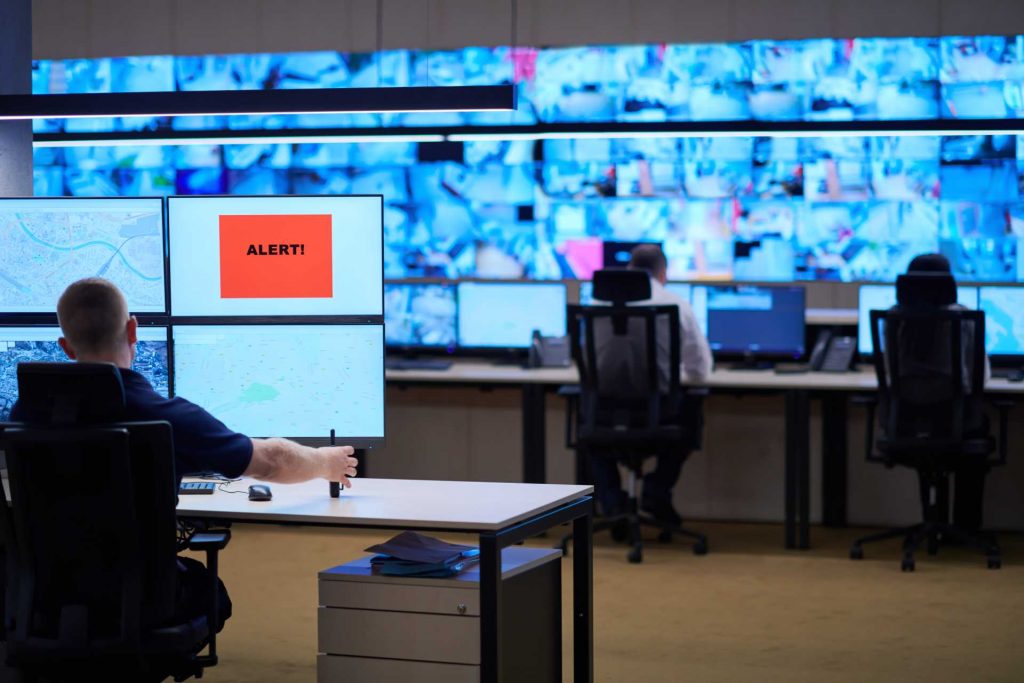
When a sensor detects an intrusion, the signal arrives immediately to the Alarm Reception Centre. An operator verifies the event, confirms if it is a real threat and activates the corresponding protocol: warning the person in charge of the ship, contacting the Security Forces and Corps or, if the service includes it, dispatching a emergency response team.
In addition, the system can incorporate real-time video verification, allowing the operator to connect to the video surveillance cameras at the moment of the alert. In this way, the actual extent of the incident can be assessed more accurately and action can be taken with direct visual information, reducing false alarms and improving decision making.
The 24/7 connection to the ARC is what turns an alarm into a real response system.
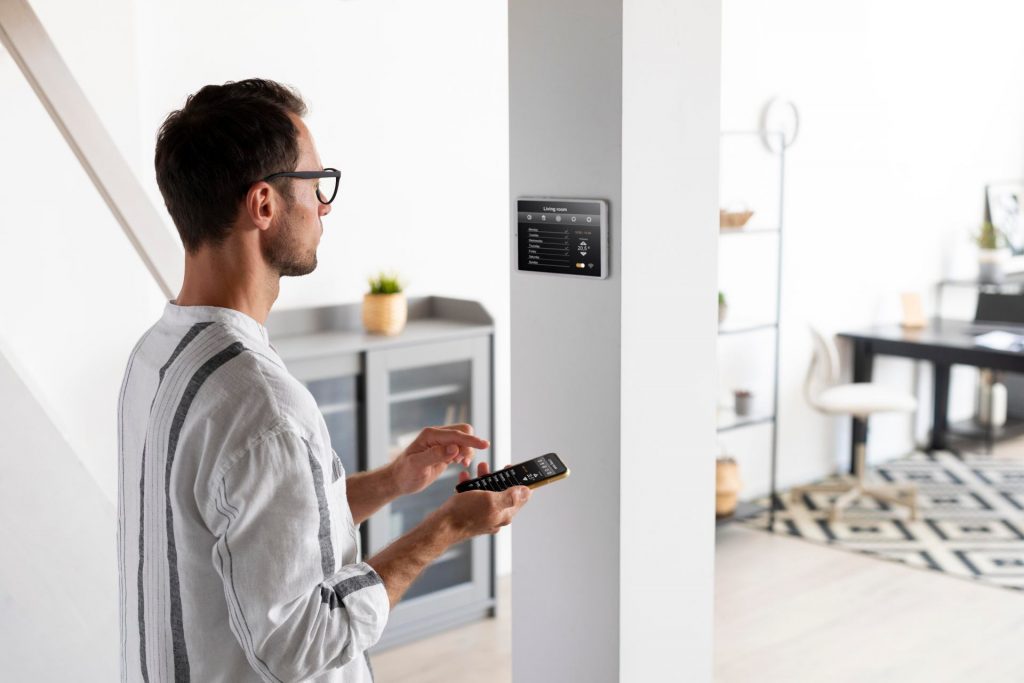
The person in charge of a warehouse is not always on the premises. With our system-integrated mobile security app, you can remotely arm and disarm the alarm, view event history, receive real-time notifications and check the status of each zone from anywhere.
When there are several managers or different work shifts, the system allows the management of independent access profiles. Each user operates with his or her own permissions, which reduces errors and facilitates internal control without relying on a single person.
An industrial building is a demanding environment for any detection system. Large volumes of air, moving machinery, temperature variations, draughts in loading areas. A poorly configured installation generates false alarms on a recurring basis, and that has a real cost: time, disruption and loss of confidence in the system.
The key is to select the right type of sensor for each zone, position it correctly and adjust the sensitivity according to the actual conditions in the space. A professional configuration reduces false alarms without sacrificing detection capability.
The protection of industrial buildings does not end with intrusion detection. A well-designed system can also integrate fire detection, water sensors to prevent flooding and access control to manage who enters, at what time and at what point in the hall.
When everything works in a coordinated manner under a single dashboard, management is simpler and the response to any incident is faster and more accurate.

Our alarm system for industrial warehouses is made up of a set of elements that work in a coordinated way. Detectors, video surveillance cameras, sensors, central panel and communications form a network designed according to the real distribution of the warehouse, its accesses and areas of greatest risk.
These are the components that we usually integrate in our installations for industrial buildings and industrial warehouses in Barcelona.

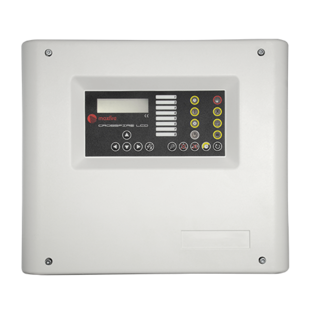
The alarm control panel is the brain of the system. It receives signals from all devices installed in the building, processes them and determines the appropriate response in each case.
In industrial environments, the panel incorporates tamper protection to resist tampering or cable cutting attempts, and battery backup to keep the system operational in the event of a power failure. Communication with the alarm receiving centre is two-way to ensure that the signal gets through even if one of the channels fails.
The security cameras have two functions in an industrial building. On the one hand, deterrence: their visible presence reduces the likelihood of an intrusion attempt. On the other hand, verification: when an alarm is triggered, the images allow confirmation that the event is real before any response protocol is activated.
The recordings also provide documentary evidence in the event of an incident, which facilitates handling with insurers and subsequent investigations.
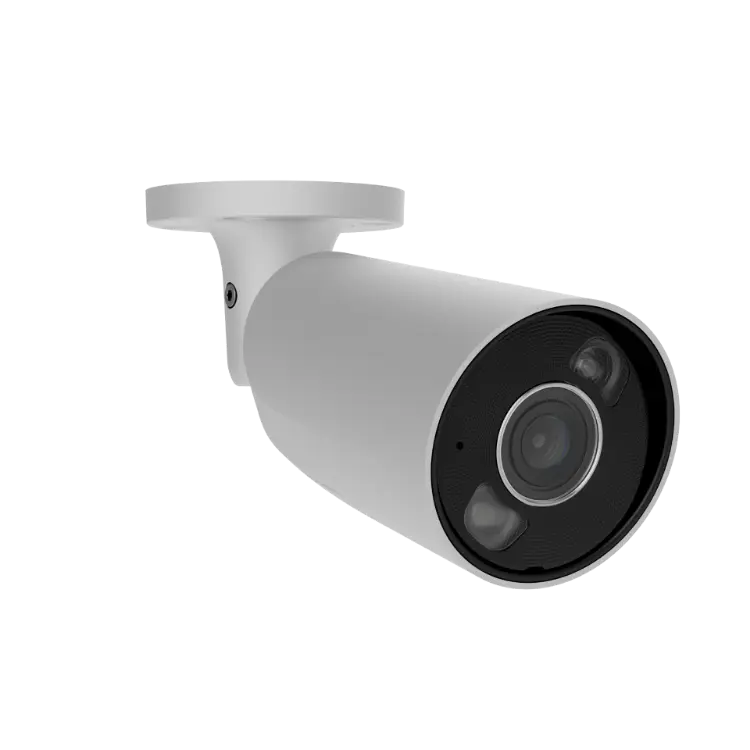
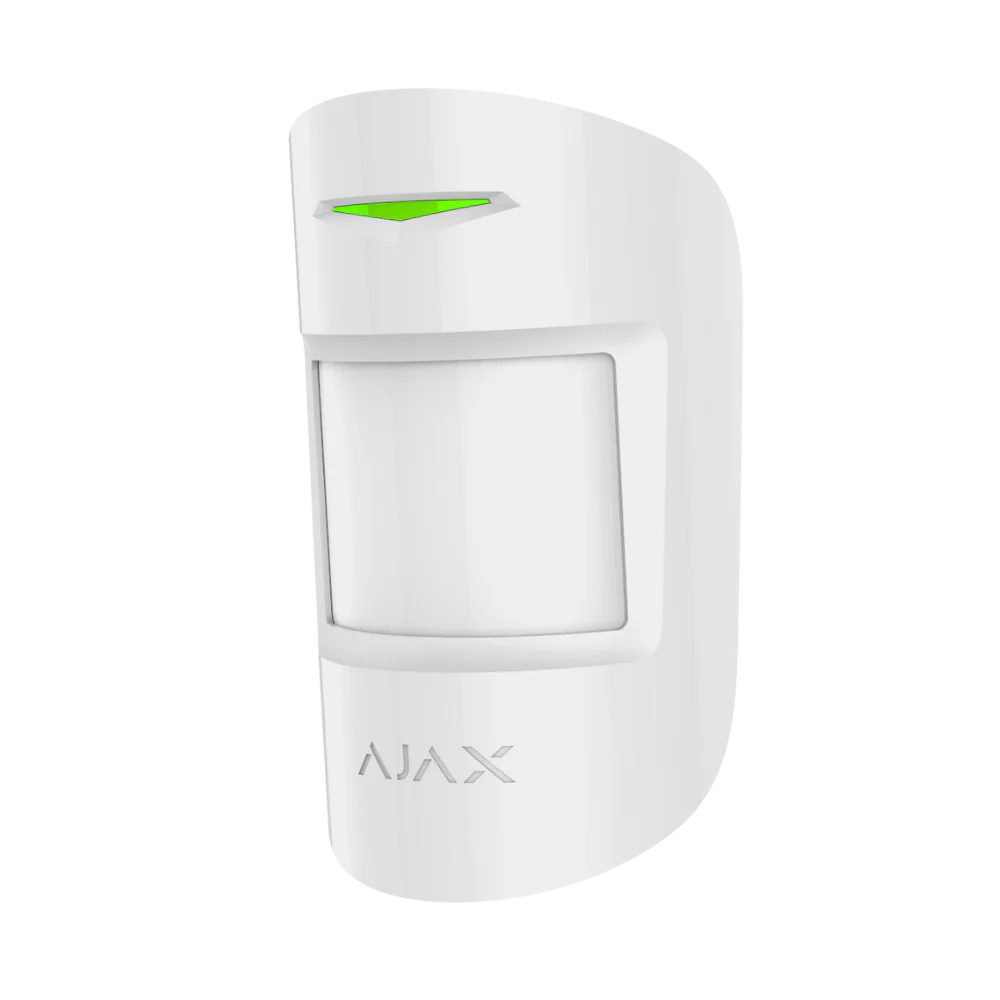
Photo detectors capture an image the moment the sensor is activated. This image is immediately sent to the Alarm Receiving Centre, where an operator can visually verify whether the event is a real intrusion or a false positive.
In industrial halls with large areas and multiple zones, this video verification capability significantly speeds up response times and reduces unnecessary interventions.
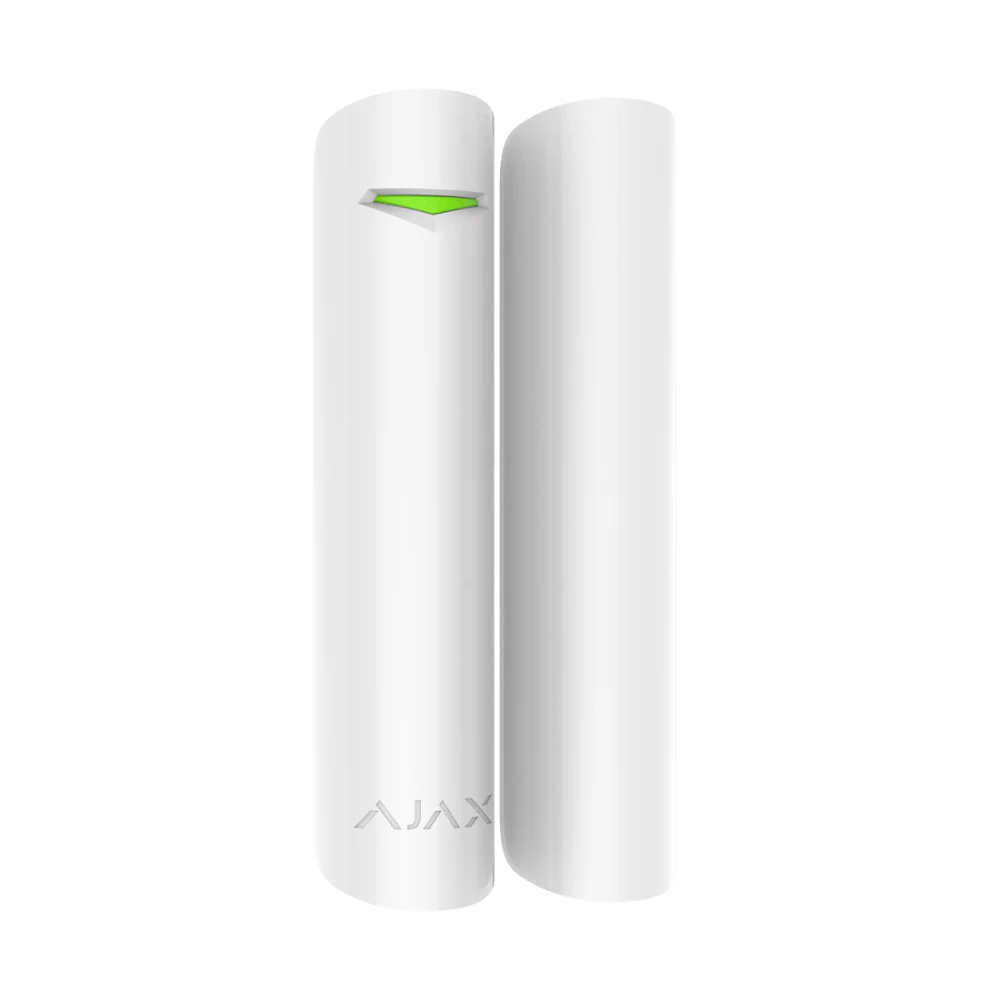
Opening sensors are installed on industrial doors, gates and secondary accesses to detect any attempt of forced entry. When a door or gate is opened without the system being disarmed, the signal reaches the panel immediately.
Vibration sensors complement this protection by detecting knocks or attempts to break into frames and locks before they can be opened. They are especially useful in loading bays and exposed perimeter accesses.

An industrial building is also vulnerable to non-intrusion-related emergencies. A fire in a storage area, a leak in a water installation or a flood in a technical area can paralyse the activity as much as a burglary.
Smoke and water sensors integrated into the alarm system allow for early detection of such incidents and the activation of the corresponding protocols, reducing the impact on business continuity. For installations that require a complete system, we also have the following available Fire Protection Systems approved in accordance with RIPCI regulations.
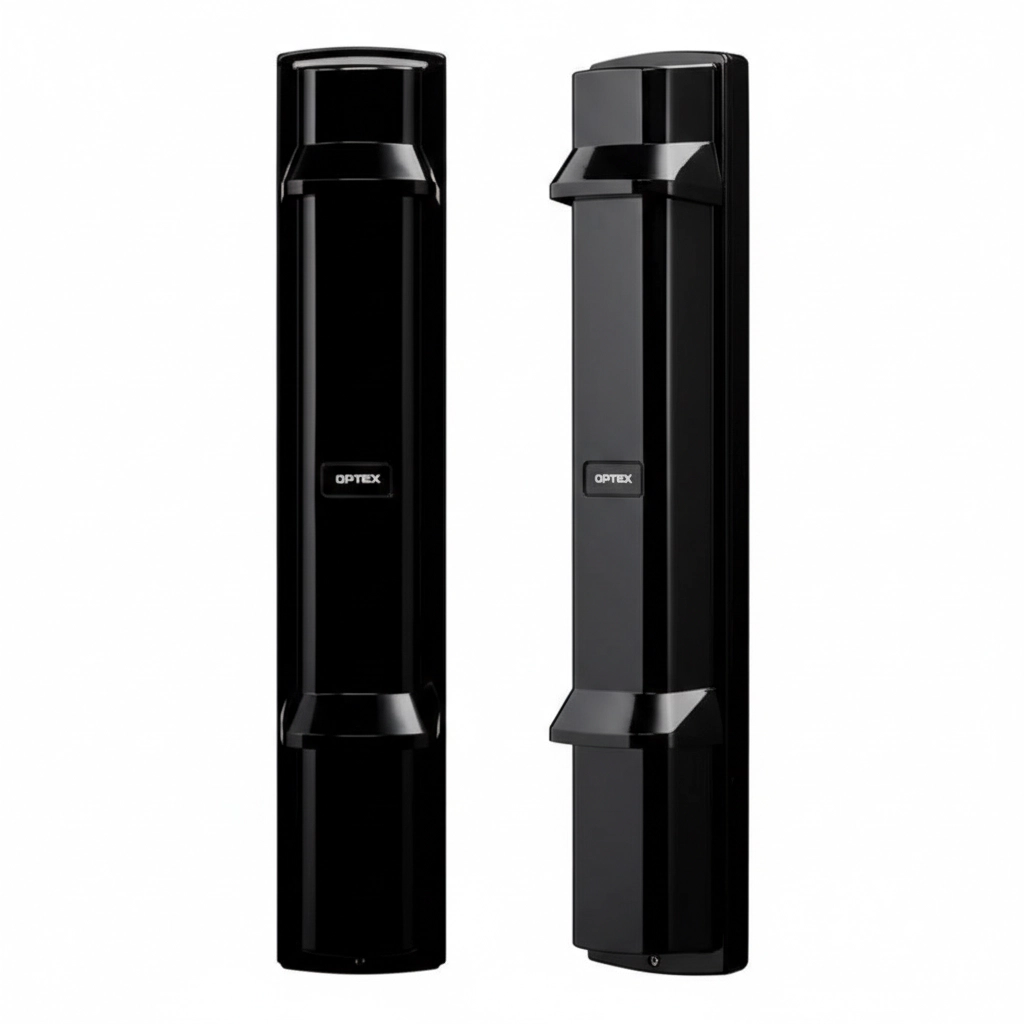
In an industrial building, the first line of defence is outside the building. The perimeter detectors protect the outer perimeter before any intruder can reach the doors or windows of the building.
Perimeter barriers and outdoor motion sensors cover fields, commercial vehicle parking areas and outdoor entrances, generating early detection that extends the response window.

Alarm sirens have different functions depending on their location. Outdoor sirens have a deterrent component. Their visible presence on the façade acts as a signal that the building is protected, and their activation in the event of an intrusion generates an audible alert that can be heard from outside the industrial estate.
Indoor sirens are intended to alert anyone who may be inside the building and to reinforce the acoustic signal in loud spaces where the sound from outside does not always reach clearly.
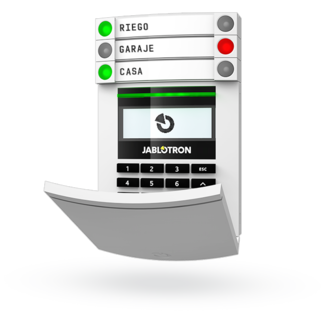
In a hall with multiple shifts and different operators, operational control of the system must be simple and secure. Keypads make it possible to arm and disarm the system by zones, assign individual codes to each user and keep a record of who has operated the system and when.
Remote controls facilitate day-to-day operations for regular staff, minimising errors in the arming process and thus reducing the likelihood of false alarms due to incorrect use.
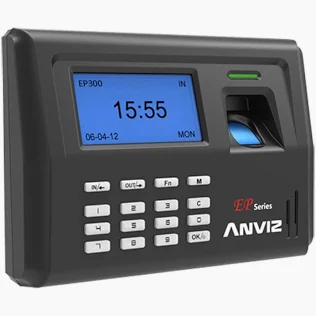
Access control makes it possible to manage who enters the building, at what point and during what time slot. It is especially useful in facilities with personnel where access permissions vary according to profile and timetable.
A well-configured access control system not only improves security for industrial buildings but also facilitates compliance with obligations related to time and attendance, integrating both functions on a single platform.
We install and maintain Fire Protection Systems in accordance with RIPCI and CTE regulations. This includes smoke and heat detectors, control units, pushbuttons, sirens and extinguishing systems when required by the project.
We know the usual requirements for firefighter licences and inspections in the metropolitan area of Barcelona, which facilitates the processing of documents and avoids problems in the periodic reviews.
Our industrial building alarm follows a clear flow, detection, verification, warning and response. Each step is designed to reduce reaction times and ensure that the response is proportional to the actual event, avoiding both false alarms and delays to a confirmed intrusion.
The system is configured according to the square metres of the building, the number of accesses, the areas of greatest risk and the hours of activity. We do not configure standard solutions but customise them for each type of building and need.
Before installing any component, a technician from our team visits the building to carry out a complete analysis. We study the main and secondary accesses, the outer perimeter, loading docks, blind zones, storage areas for high-value goods and points where human activity may interfere with detection.
With this information we design a zoned system that covers each area according to its real risk level, without oversizing or leaving points unprotected.
An industrial building is rarely a homogeneous space. The offices, the warehouse, the production area and the outer perimeter have different uses, schedules and risk levels. This is why the system is organised into separate zones that can be selectively armed and disarmed.
This makes it possible, for example, to keep the office area disarmed during working hours while the warehouse remains protected, or to activate only the outer perimeter during night shifts when there are staff working inside.
When a sensor is triggered, the system does not trigger an automatic response immediately. We first check the photo detectors and integrated security cameras to obtain an image or video sequence of the exact moment of detection.
Once the event has been verified, the alarm receiving centre activates the protocol defined for that installation. The first step is to contact the designated person in charge of the building to report the event and confirm the action to be taken. If there is no response or the situation requires it, the Security Forces and Corps are notified with all the details of the event.
The protocol is defined during installation and may include different levels of escalation depending on the type of alarm, the area affected and the time of day when the incident occurs.
One of the most common sabotage attempts in industrial buildings is the cutting of the power supply or internet connection before accessing the interior. Our systems incorporate battery backup that maintains the operation of the panel and critical devices for several hours without power, and a dual communication channel that combines network connection and GSM/4G channel as a backup.
If the power goes out and the internet is down, the system remains operational and the ARC continues to receive a signal. The sabotage attempt also generates a communications failure alert that automatically triggers the check protocol.
An industrial alarm system that is not serviced loses reliability over time. We offer preventive maintenance contracts with periodical revisions that include checking all components, updating configurations and documenting each intervention. The aim is that the system always works as it did on the first day of installation.
Contracting an alarm system for industrial premises in Barcelona with us is a simple process with no surprises. We accompany you from the first consultation to the start-up, with our own technicians at every stage and without intermediaries.
The first step is to contact us through the phone, WhatsApp or the contact form. We will ask you about the approximate surface area of the building to be protected, the main use and the area where it is located in order to organise the visit.
We respond quickly and without obligation. The study is completely free of charge.
A specialised technician visits the warehouse to carry out the security analysis. We check the accesses, the outer perimeter, the loading docks, storage areas, blind spots and the usual hours of activity.
We also assess the type of goods or machinery being stored, because the level of protection required is not the same in a logistics warehouse as in a warehouse with equipment or high-value goods on display.
With all this, we drew up a clear proposal, with the selected components, their location and the justification for each decision.
The cost of industrial alarms depends on several factors, such as the surface area of the building, the number of access points, the areas to be protected and the components required.
There is no fixed price because no two vessels are the same. What we do guarantee is that the quote reflects exactly what you need, with no unnecessary equipment or hidden costs.
Installation is carried out by our own technicians, not subcontracted teams. This allows us to control quality in every detail, from the wiring to the calibration of each sensor.
Once the entire system has been installed, we carry out complete tests by zones to verify that each component works correctly and that communication with the Alarm Reception Centre is operational. We do not consider the installation to be complete until everything has been checked.
Before finalising the service, we explain how the system works on a day-to-day basis, how to arm and disarm by zones, how to interpret the warnings, how to manage the accesses of each user and what to do if a false alarm occurs.
From that moment on, technical support is available by phone y WhatsApp 24 hours a day. And if the system needs an overhaul or any incident arises, our team responds immediately.
There are many companies that install alarms. What makes the difference is who designs the system, who installs it, who maintains it and who responds when something goes wrong. These are the reasons why companies in industrial estates in Barcelona trust us.
We have been installing and maintaining alarms for industrial warehouses, logistics warehouses and industrial companies in Barcelona and the metropolitan area for almost two decades. We know the weaknesses of the industrial estates in the area, their particularities and the most frequent types of incidents in each environment.
That experience translates into better designed systems, cleaner installations and fewer problems in daily use.
All our projects are carried out by Dumo Seguridad's own technicians. No subcontractors, no external teams that do not know the system they are installing.
This has direct consequences on the quality of the result: the installation is carried out with technical criteria, the components are calibrated correctly from the first day and any subsequent incident is dealt with by the same team that knows the installation first hand.
We do not work with kits or standard solutions that are applied in the same way in all buildings. The systems we install are based on a prior analysis of the space, its real risks and its specific needs.
The result is a system that is sized for what the hall needs, no more and no less. No unnecessary components that make the project more expensive, and no uncovered areas that leave gaps in the perimeter protection.
We work with professional systems designed specifically for industrial environments. The equipment we install has EN 50131 Grade 2 and Grade 3 certification depending on the level of risk, redundant communications in the event of signal cuts or inhibition, integrated video verification and active anti-sabotage protection.
They are scalable and compatible with video surveillance, access control y Fire Protection Systems This facilitates integration into existing installations where some of the infrastructure is already in place.
Industrial safety does not end with the installation. A system that is not checked eventually fails, and usually fails when it is most needed.
We offer maintenance adapted to each client with periodic revisions, documentary record of each intervention and technical assistance by phone y WhatsApp. No waiting times, no bureaucracy and the same team that knows your installation from day one.
If you have an industrial building in Barcelona or the metropolitan area and you want to know what level of protection you need, the first step is to carry out a free security study.
A technician from our team will visit your building, analyse the real risks and provide you with a proposal adapted to your space.
Request your free security survey today!
931 272602









The price of an alarm for industrial premises depends on several factors: the surface area of the premises, the number of accesses and areas to be protected, the components required and whether the service includes connection to an Alarm Reception Centre or periodic maintenance. There is no fixed price because no two warehouses are the same. The best way to obtain a personalised quote is requesting a free safety study, where we analyse your vessel and provide you with a detailed proposal without obligation.
EN 50131 certification establishes different safety levels depending on the risk of the installation. Grade 2 is the usual standard for most industrial buildings and warehouses, and covers the requirements of insurers in most cases. Grade 3 applies to facilities with a higher level of risk, such as warehouses with high-value goods, critical equipment or specific private security requirements. During the preliminary study we determine which grade corresponds to your facility according to its use and level of exposure to risk.
False alarms in industrial buildings are often caused by a poor choice of sensor type, incorrect location or poorly calibrated sensitivity for the conditions in the space. Air currents in loading areas, temperature variations or moving machinery can activate detectors that are not designed for this environment. The solution is to select the right sensor for each zone, install it in the correct location and adjust its settings to the actual conditions in the building. Professional installation reduces false alarms without sacrificing detection capability.
The time it takes to install depends on the size of the building and the complexity of the system. For medium sized installations we can complete them in one or two days. On larger projects, with multiple zones, integrated access control or extensive cabling, the time may be longer. In any case, we coordinate installation schedules to interfere as little as possible in the daily activity of the building.
Our systems incorporate battery backup that maintains the operation of the panel and critical devices in the event of power cuts. Communication with the ARC is two-way, combining network connection and GSM/4G channel as a backup. If the power is cut and the internet goes down simultaneously, the system remains operational and the ARC continues to receive a signal. Attempted sabotage also generates an automatic communications failure alert.
Yes, the mobile security application allows the system to be managed remotely from any device. It is possible to create separate user profiles with different permissions, so that each person in charge operates only in the areas and times that correspond to them. All events are registered with the user who has executed them, which facilitates internal control in warehouses with several shifts or with external personnel with authorised access.
Not necessarily. Today's wireless systems offer equivalent performance and reliability to wired systems in most industrial environments, with the advantage of faster and less invasive installation. The choice between a wired or wireless system depends on the characteristics of the building, the type of construction and the specific needs of the project. In new buildings or complete refurbishments, wired is usually the most efficient option. In existing buildings, the wireless system avoids building works and reduces installation time.


